How to Clean and Maintain Limestone Pavers & Driveways
Learn how we safely clean and maintain limestone pavers and driveways, from gentle washing to sealing, without etching or damaging the stone.
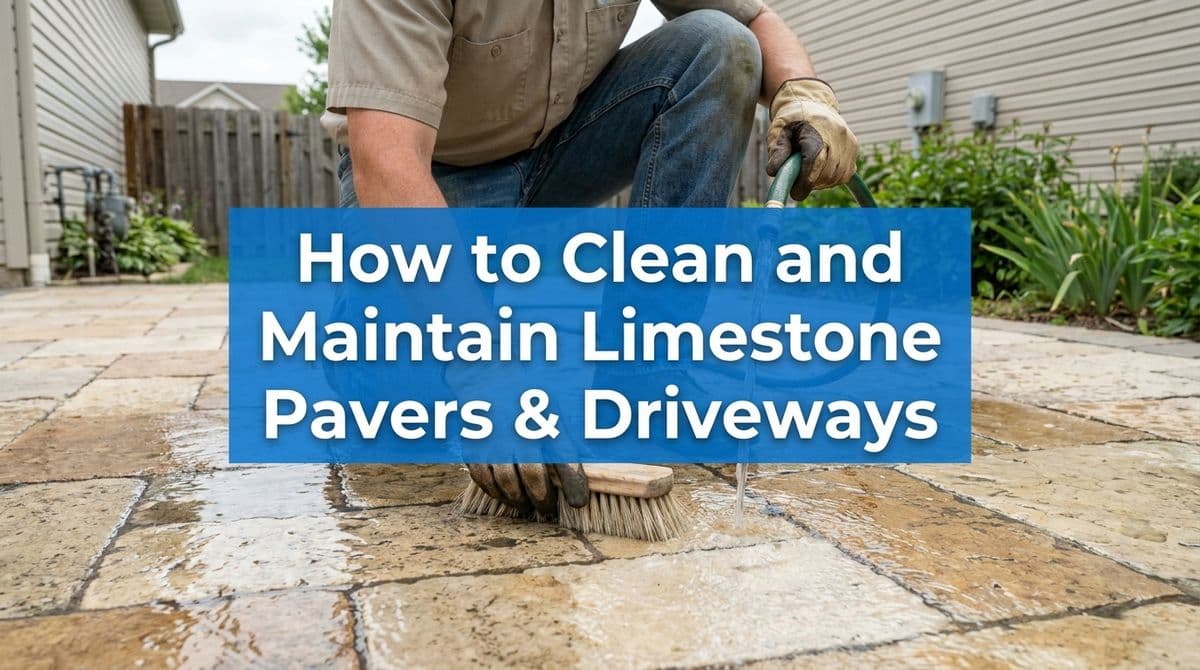
“It’s Limestone… Is Power Washing Safe?”
We recently got a call from a customer — let’s call him Mark — who owns a rental property in Scottsdale. He started the call asking about a “standard driveway cleaning,” so we were talking normal concrete pricing and square footage. Then there was a pause, a little confusion, and he jumped back on the line to clarify:
“Actually, it’s limestone pavers on the driveway. They’re pretty new. Can you power wash those, or do you need a special limestone cleaner?”
That follow-up question was the important one. Limestone looks beautiful, but it’s a softer, more delicate stone than concrete. Clean it the wrong way and you can etch the surface, strip the finish, or leave blotchy marks that never quite go away.
In this post, I’ll walk you through how we explained the process to Mark: how we safely clean and maintain limestone pavers and driveways — and what you can do as a homeowner to keep that stone looking sharp without damaging it.
Step 1: Start Gentle – Always
When Mark mentioned his limestone pavers were a new install, that told us a lot. Newer stone is usually dealing with construction dust, dirt, maybe some light footprints — not years of oil spills and tire marks. That’s an ideal situation for a light, careful cleaning.
Our first step on limestone is always dry debris removal:
- Blow or sweep off loose dirt, leaves, and sand.
- Use a soft-bristle broom, not a stiff wire brush that can scratch.
- Pay attention to joints between pavers so you’re not gouging out joint sand or grout.
Only after we’ve cleared the surface do we bring in water — and even then, we don’t jump straight to high pressure. We typically start with a low-pressure rinse to see how the stone responds and how much dirt lifts off on its own.
Choosing the Right Cleaner for Limestone
On the call, Mark guessed we’d “probably use some type of limestone cleaner,” which is exactly right — but not all cleaners are safe for natural stone.
Here’s what we look for (and what you should too):
- pH-neutral or slightly alkaline: Limestone is sensitive to acids. Anything labeled “lime remover,” “concrete etch,” vinegar, or acidic bathroom cleaner is a big no.
- Designed for natural stone: We use professional-grade products specifically marked safe for limestone, travertine, and marble.
- No harsh solvents for routine cleaning: Strong solvents might be used occasionally for tough stains, but they require experience and careful rinsing.
Our “basic clean” (what Mark was likely to need) usually involves applying a diluted stone-safe cleaner, letting it dwell briefly, then agitating lightly with a soft brush before rinsing. For a “deep clean,” we’ll use stronger products, scrubbers, and sometimes a surface cleaner — but always with controlled pressure.
Can You Pressure Wash Limestone Pavers?
Yes — if you know what you’re doing. This was Mark’s biggest concern once he realized we weren’t just dealing with concrete.
Here’s how we safely use pressure on limestone:
- Lower PSI: We run our machines at a lower pressure for limestone than we would for rough concrete.
- Wider fan tips: No pencil-jet or turbo nozzles. Those can carve into the stone surface.
- Keep a consistent distance: We don’t “paint” back and forth inches from the stone. Instead, we maintain a safe distance and steady movement.
- Test first: On new clients, we always test a small, less-visible area before committing to a full driveway.
For homeowners, the safest approach is to avoid experimenting with a rental power washer on limestone. If you do rinse it yourself, keep the pressure low and treat it more like rinsing a car than blasting a sidewalk.
Common Homeowner Mistakes We See on Limestone
When we visit limestone driveways and patios, we often have to correct past “DIY fixes.” A few of the most common issues:
- Using vinegar or acidic cleaners: This can etch the surface, leaving dull, rough spots. Once etched, the stone may need professional honing to improve the appearance.
- Pressure washing too aggressively: You’ll see lines, streaks, or a “fuzzy” surface where the outer layer of stone has been worn away.
- Bleach on rust or fertilizer stains: Bleach can react unpredictably with minerals in the stone and doesn’t actually remove many metal-based stains.
- Ignoring spills: Oil, grease, and fertilizer left sitting can soak in and become permanent discoloration.
When we’re called out after one of these mistakes, our first step is to stop the damage — switch to safe cleaners, adjust pressure, and test targeted stain removers. We’re honest about what can be improved and what may never completely disappear, especially with deep etching or long-set-in stains.
Should You Seal Limestone Pavers and Driveways?
Mark’s pavers were new, which is usually when the sealing question comes up. We don’t automatically recommend sealing every limestone surface; instead, we assess a few key factors during our on-site visit:
- Finish and look: Honed vs. tumbled vs. brushed limestone can all react differently to sealers.
- Location and use: Driveway vs. covered patio vs. pool deck. Driveways and high-traffic areas benefit most from sealing.
- Exposure: Full sun, lots of irrigation overspray, or nearby planters mean more moisture and staining risk.
When we do recommend sealing, here’s what homeowners can expect:
- Thorough cleaning first: We won’t seal over dirt, efflorescence, or stains. The surface has to be as clean and dry as possible.
- Drying time: After cleaning, we usually allow at least 24 hours of dry weather before sealing.
- Sealer selection: For most limestone driveways, we prefer a penetrating, natural-look sealer that doesn’t create a slippery film.
- Careful application: Even, controlled application to avoid lap marks and puddling, with any excess wiped off before it dries on the surface.
A good sealer won’t make limestone maintenance-free, but it will buy you more time to clean up spills and make routine cleaning easier.
Basic Maintenance You Can Do Yourself
Between professional cleanings, there’s a lot homeowners can do to keep limestone looking great without risking damage:
- Regular sweeping or blowing: Keeps grit from acting like sandpaper under shoes and tires.
- Rinse after dusty or windy days: A gentle hose rinse helps keep fine dust from building up.
- Blot spills quickly: Especially oil, grease, and anything colored (like wine or juice on patios).
- Use doormats or runners where people get in and out of vehicles or off lawn areas to reduce tracked dirt and fertilizer.
If you’re ever unsure about a product, test it in a small, hidden spot first — or send us a picture of the label before using it on your stone.
Limestone Care FAQ: Stains, Seasons, and Scheduling
How often should limestone pavers be professionally cleaned?
For a typical driveway or patio in our climate, we usually recommend a professional clean every 12–24 months, depending on traffic, shade, and how often you rinse or sweep. Rental properties like Mark’s often benefit from a quick freshen-up between tenants so the stone makes a strong first impression.
What about rust or fertilizer stains on limestone?
Rust and fertilizer stains are common near driveways and lawns. These are often metal-based stains and don’t respond well to standard cleaners or bleach. We use specialized rust removers that are safe for natural stone and test them carefully first. The sooner we treat these stains after they appear, the better the results.
Does limestone need different care in summer vs. winter?
In hot months, the main concern is rapid drying: cleaners can dry too fast and leave residue if you’re not careful, so we often work in smaller sections or adjust dwell times. In cooler or wetter seasons, we watch out for mildew and algae, especially in shady areas, and choose cleaners that target organic growth without harming the stone. Either way, we plan the cleaning around the weather so the stone can dry properly afterward, especially if sealing is involved.
When to Call in a Pro
On our call with Mark, we suggested sending over some photos and then scheduling a visit while we were in his area. That lets us confirm whether he just needs a light “new install” clean or something closer to a deep clean and seal.
If you’ve got limestone pavers or a driveway and you’re worried about damaging the stone, you’re not alone — most of the questions we get sound a lot like Mark’s. Whether you’re dealing with a brand-new install or years of buildup, the safest approach is a combination of gentle routine care on your end and periodic professional cleaning when it’s time for a reset.
Handled the right way, limestone can stay beautiful for decades — without the etching, streaks, and “oops” moments that come from the wrong cleaners or too much pressure.